Drying times for joint compound in dry Inland Empire heat
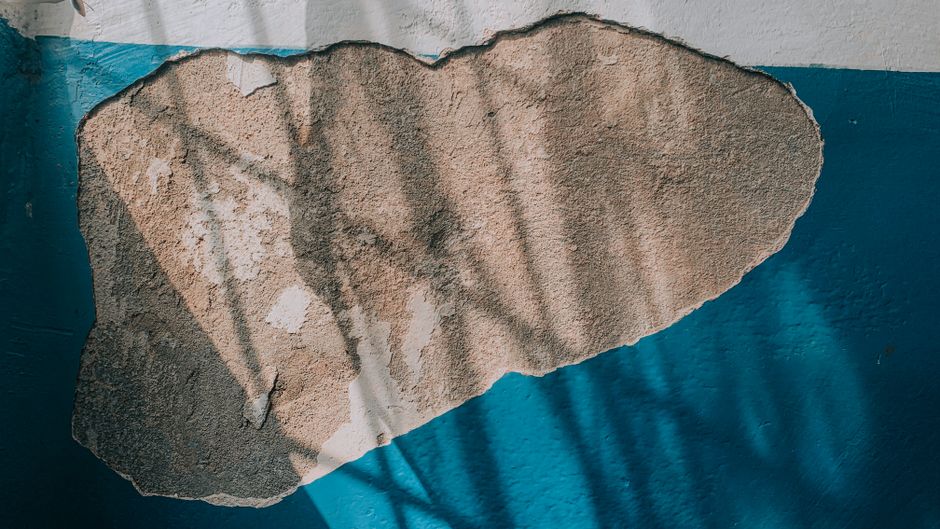
Fast drying sounds like a gift in a Riverside summer, yet the mud that dries in an hour is the mud that cracks by morning, and drywall contractor riverside raahi paces its coats around that hot, dry Inland Empire air for drywall jobs in Riverside, CA.
What dry air does to mud
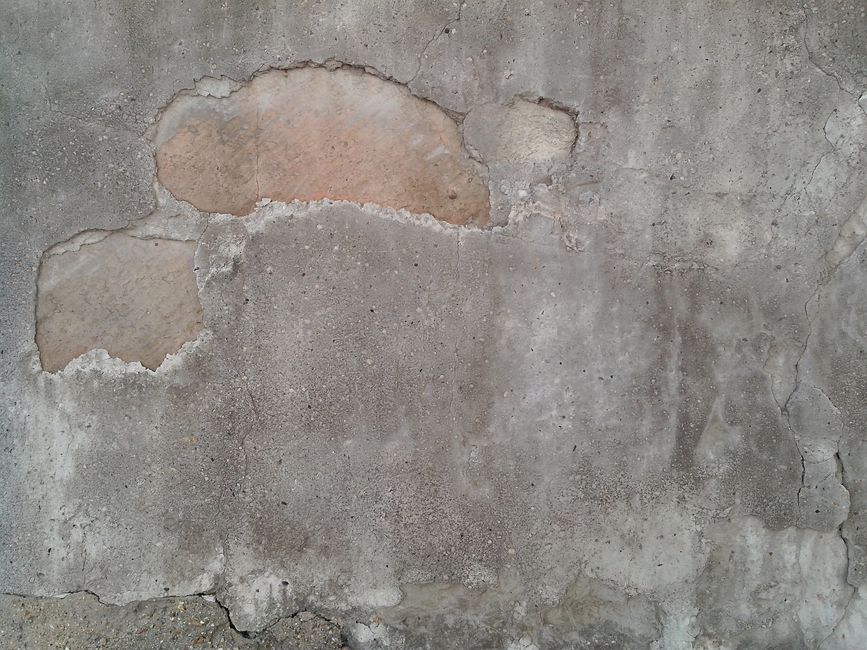
All purpose compound and topping compound release water as they cure. When a Santa Ana wind pushes dry air through an open house, the surface skins over while the layer underneath is still wet. The skin shrinks, pulls against the wet material below and opens fine cracks, often in a pattern like dried creek mud. A coat can feel hard to the touch and still be damp inside.
Shading, closing up and slowing down
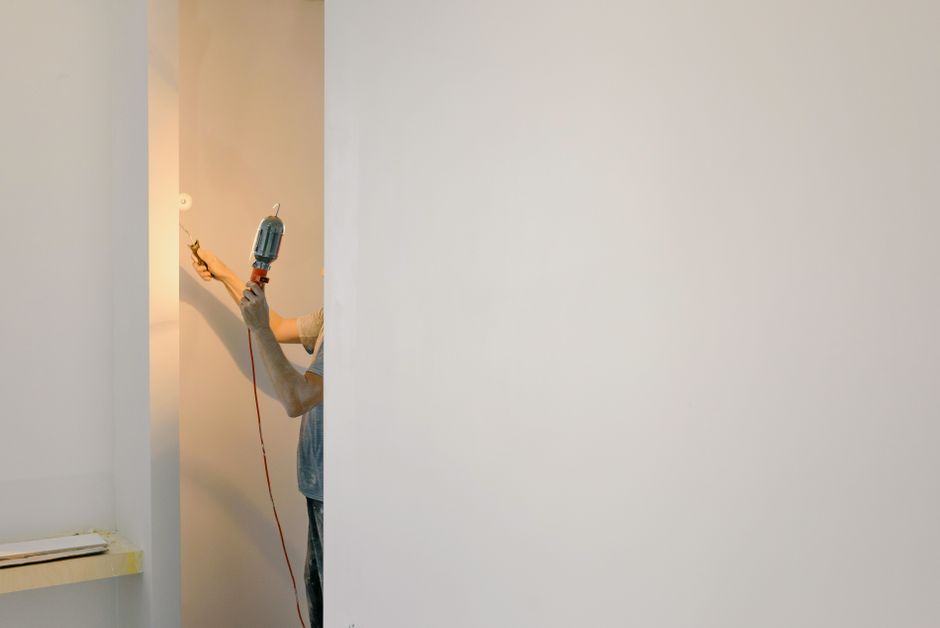
Crews close the windows and doors on the windy side of the house during a repair, turn off fans that blow across a fresh patch, and keep the work out of direct sun. A damp sponge pass over the finished surface can slow a skinning edge. Hanging plastic sheeting over a window in the afternoon stops heat from the glass drying a wall unevenly.
Setting compound as a fix
Setting compound cures by chemical reaction, in a fixed number of minutes stamped on the bag, regardless of how dry the air is. That makes it dependable in heat, and it shrinks very little. It is harder to sand than premixed mud, so crews use it for the first coat or for filling deep cavities, then switch to lighter compound on top.
Mesh tape in thin coats
Self adhesive mesh tape needs setting compound over it, not premixed mud, because the open weave gives the mud little to hold and a fast drying coat can pull away. Paper tape bedded in a wet first coat holds better in heat. Either way, the tape goes into compound that is still workable, not into a skinned coat.
Judging when a coat is ready
A coat is ready when the color is uniform and light, with no gray patches, and a fingernail pressed into a hidden edge leaves no mark. Rushing with a heat gun or a space heater cracks the surface. In the cooler months a repair near the Santa Ana River or in a shaded north room can take a full day between coats, and the schedule bends to match.
What the cracks tell the crew
Map cracking across a fresh coat means it dried too fast, and the fix is to scrape back to sound material, wet the area slightly and apply a thinner coat. A single straight crack along a seam means the tape was starved of compound. Reading the pattern saves a repeat visit.