Matching texture on an older Riverside ceiling
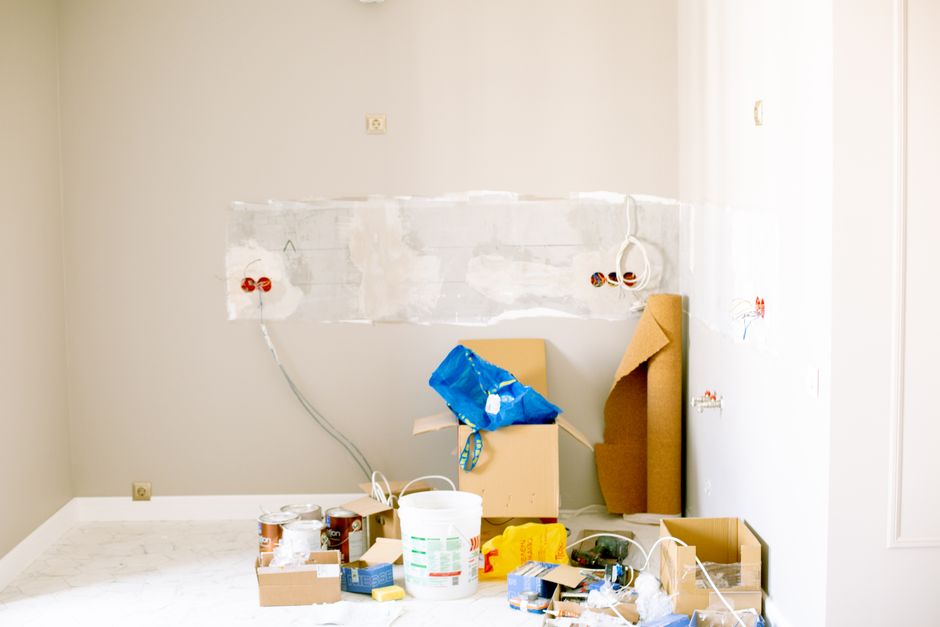
Eight square feet of ceiling takes ten minutes to patch and most of an afternoon to hide, as drywall contractor riverside raahi describes for drywall ceiling repair in Riverside, CA.
Reading the texture before touching it
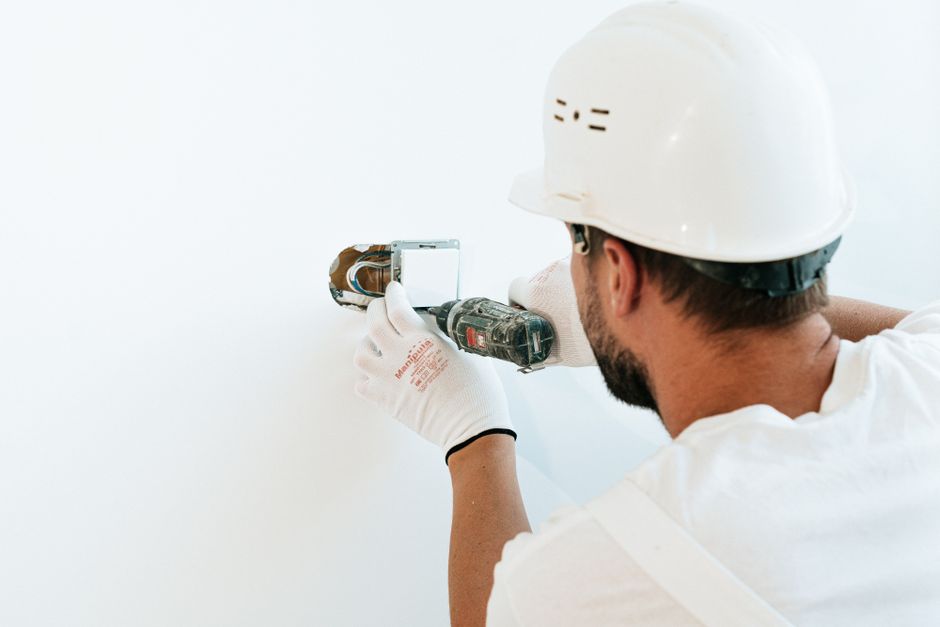
Homes across the Inland Empire carry three main ceiling finishes. Knockdown has flat plateaus with shallow valleys, orange peel is a fine spatter with a regular grain, and popcorn is a sprayed acoustic coat that stands proud of the board. A crew identifies which one it is, then checks the sheen and the dust on it, because a patch has to match the age of the surface as well as its shape.
Why the sprayer setting matters
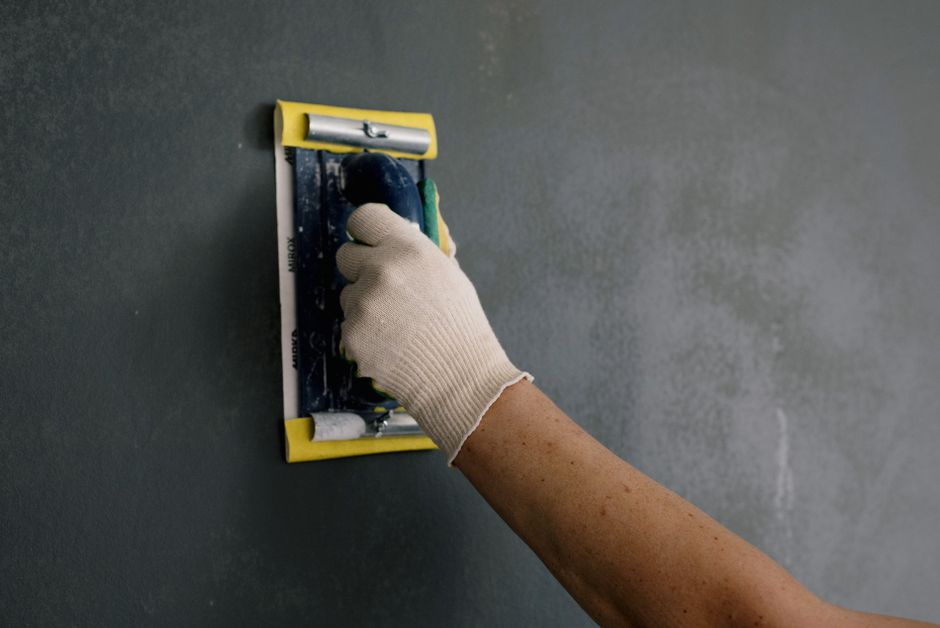
The same topping compound thinned to different consistencies gives different results. Thin mud sprayed from a hopper gun makes small peaks, while thicker mud flicked with a brush makes larger splashes. Practicing on a scrap of gypsum board first costs a few minutes and avoids a patch that stands out like a thumbprint.
Knockdown timing
Knockdown is flattened with a wide blade after the sprayed texture has lost its wet shine but is not yet set. In the dry heat of a Riverside summer that window can shrink to a few minutes, and an early pass smears the texture while a late one tears it. Shaded rooms give more time, and a crew sometimes mists the patch edge to slow the surface.
Popcorn ceilings from the 1970s
Many older ceilings still carry a sprayed acoustic coat. Before any scraping or sanding, homes of that era need the material tested for asbestos by a lab, since some products from before the late 1980s contained it. A positive result means a licensed abatement firm handles it, and a drywall crew works around it. Where the coat is clean, a small repair is scraped back to a sound edge and the same finish is sprayed over the primed spot.
Blending the edge
A visible square is almost always a hard edge, not a texture mismatch. Feathering the first coat of mud a foot past the damage and misting the texture outward lets the new surface grow into the old one. Where the old ceiling is stained or yellowed, the patch may call for painting the full ceiling to the next wall break, not only the spot.
Priming and the sheen test
Texture shows every inconsistency in sheen. Primer goes over the patch, then flat ceiling paint rolled in a single direction, and the room is checked with the lights off and a lamp held to the side. If the patch flashes, one more light coat goes on before the joint compound work is called done.