Water stained drywall and what has to come out
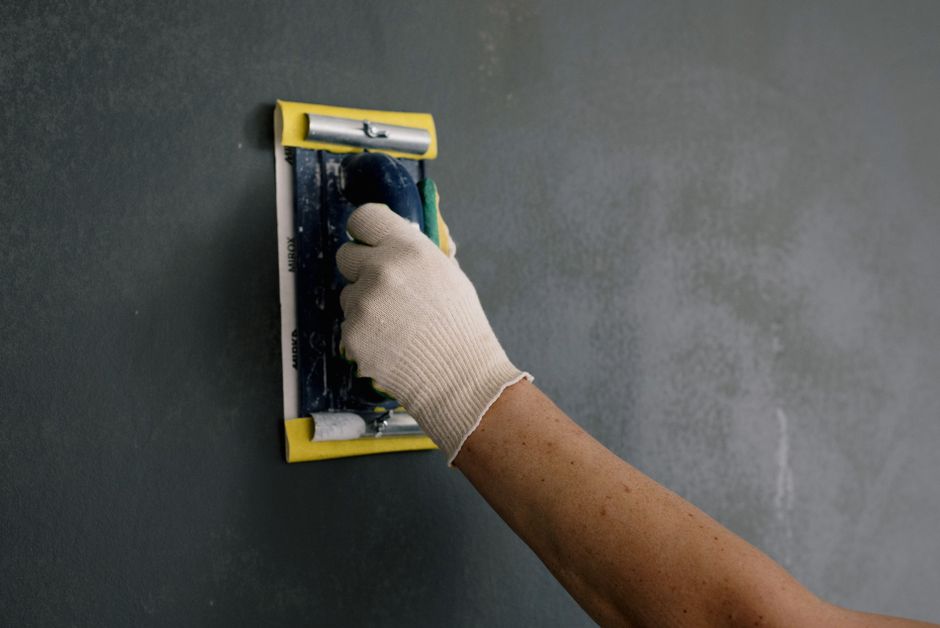
The smell of wet cardboard and a spot that gives under a thumb mean the board has failed, and the checks kept at drywall contractor riverside raahi for drywall water damage repair in Riverside, CA begin with that thumb test.
Where the water came from
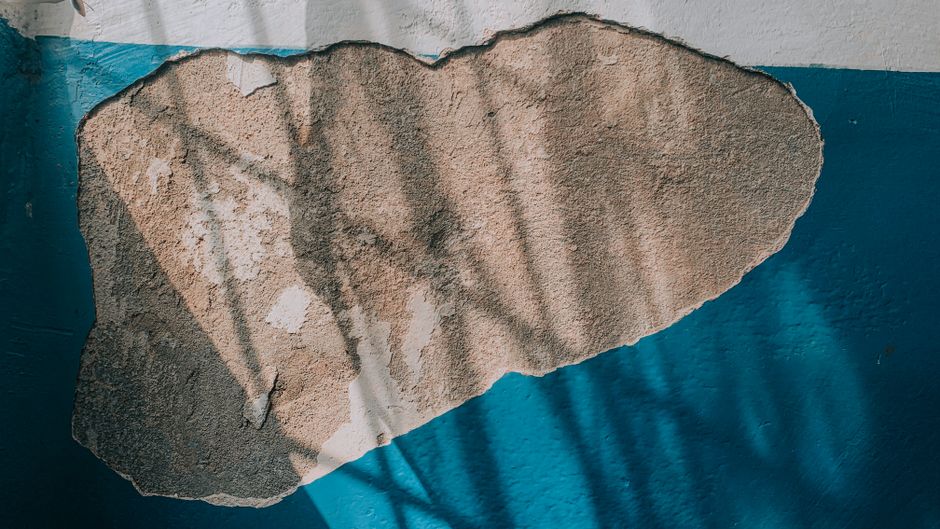
Riverside gets little rain, but when a heavy storm does arrive, old roofs find every weak flashing at once. Water travels along a joist or down inside a stud bay before it shows on a ceiling many feet from the leak. Pipes in a wall, a failed shower valve and a drain line sweating in summer are the other usual sources, and no drywall work lasts until the source is fixed.
Dry stain or wet board
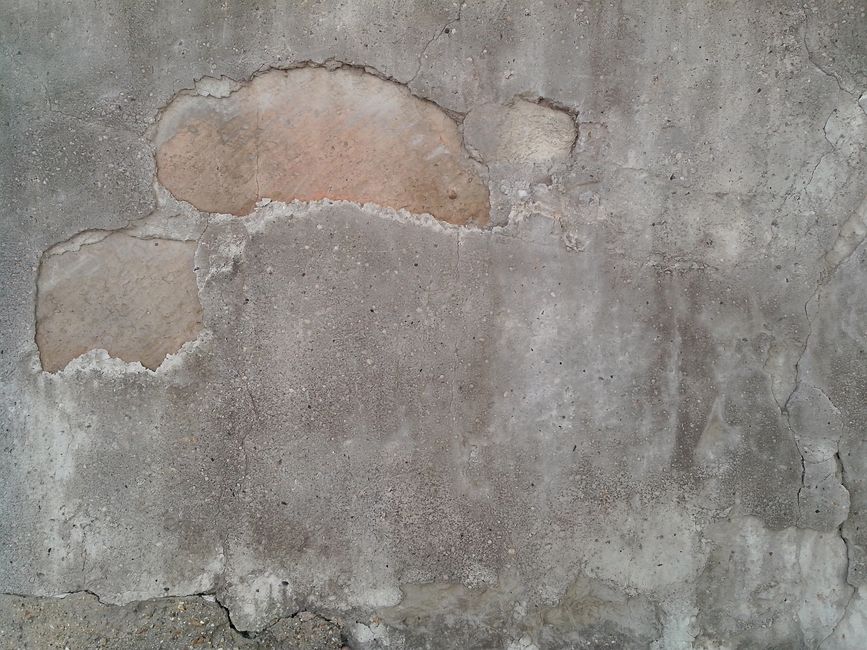
A brown ring on dry, hard board is a stain, and a coat of stain blocking primer followed by paint hides it. If the stain returns through the paint, the water source is still active. A moisture meter pressed against the surface gives a plain answer where the eye cannot, and the reading is compared against a dry wall in the same room.
What has to be cut out
Board that is soft, crumbling, bowed or showing mold is cut out back to dry material and a few inches beyond. Paper facing that has soaked and dried often looks fine but has lost its bond to the gypsum, and it peels once mud goes over it. The cut is squared up so a new piece of half inch board fits tight, with the edges landing on a stud or a nailer where possible.
Where moisture resistant board belongs
Around tubs, showers and laundry walls the replacement is moisture resistant board, often called green board, and behind tile the better choice is cement board. Green board resists humidity but does not survive a direct soaking, which surprises people who assume the color means waterproof. A bathroom ceiling is a place where it earns its keep, since steam rises there all year.
Patching and finishing
The new piece is screwed off, taped with mesh tape if the patch is large or paper tape if it is a clean seam, and finished with joint compound in three coats. Wet areas get mold resistant primer before paint. A repaired ceiling is watched through the next rain, and a stain that reappears is read as a leak that was never located.