How a drywall crew sequences a repair day
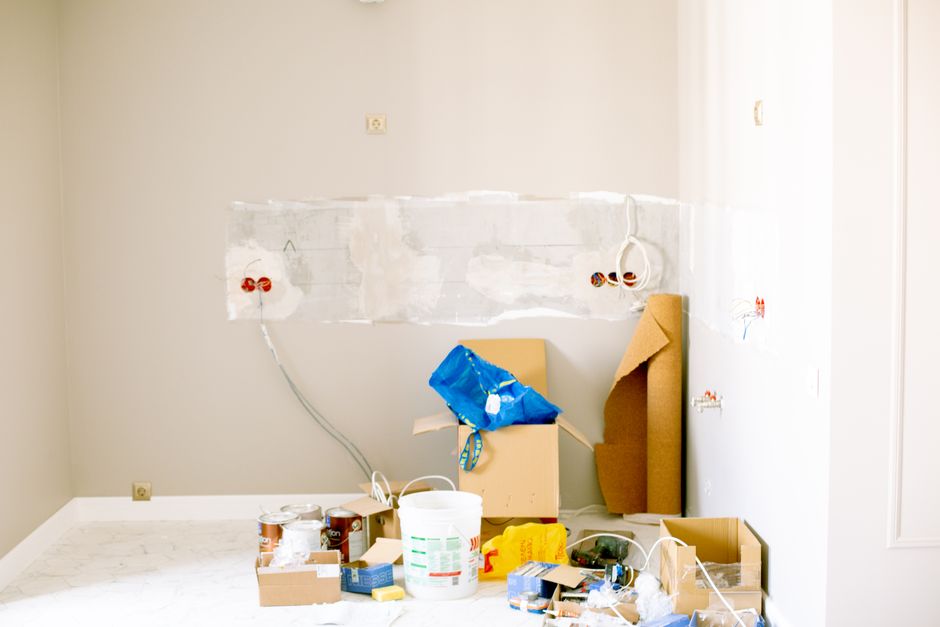
One patch needs three coats, and three coats need three drying windows, so a single repair in Riverside, CA rarely fits in one visit, as drywall contractor riverside raahi explains for drywall scheduling.
The walkthrough comes first
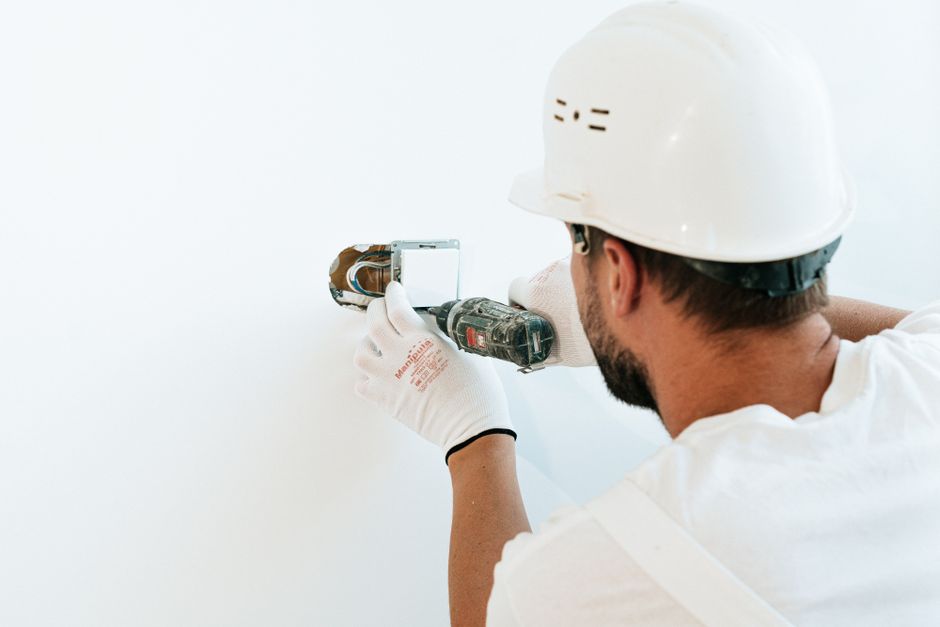
A crew walks the whole room before opening a bucket. Every nail pop, crack, dent and stain is marked with painter's tape, and the cause of each is decided. A stain gets a moisture reading, a crack gets a look at the framing, and the list becomes the order of work. Jobs that skip this step turn up a missed defect after the paint is on.
Cutting, hanging and taping
Damaged board is cut out, new gypsum board is screwed to the studs or to nailers set in the cavity, and every seam is bedded in joint compound with paper tape or mesh tape. Paper tape gives the stronger seam, while mesh tape saves time on patches. Corners get corner bead, set straight and bedded with hot mud, which is the quick setting compound that cures in a fixed number of minutes.
The first coat
The first coat fills the seams and covers the tape. It looks rough on purpose. Heavy first coats shrink and crack, so the crew keeps the layer thin, then lets it dry until it lightens evenly and no dark patches remain. In summer that can be a few hours, and in a cool damp week it can be overnight.
Second coat and skim
The second coat is wider than the first and uses lighter topping compound, which sands easily. On a larger repair, a skim coat across the full wall brings the whole surface to one plane. Each pass extends further past the damage, so the edge never lands in a spot that sunlight rakes across.
Sanding and dust
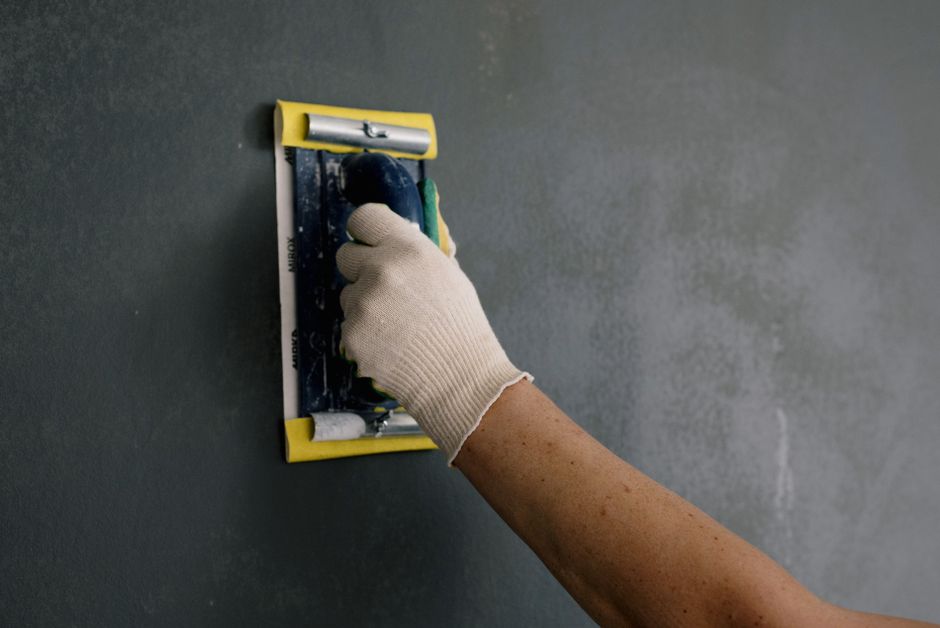
Sanding waits until the compound is bone dry, since damp mud clogs the paper and tears. Dust sheeting hangs over the doorway and a vacuum sander keeps most of the fine powder out of the house. A crew finishes with a hand pass and a work lamp held at a low angle to find ridges the eye misses in flat light.
Primer and the handoff
Primer seals the compound so paint does not flash. Once it dries, the crew checks the patches again and leaves the surface ready for the painter. A repair that has been sequenced in this order stays invisible, while one that was rushed through a single wet coat shows its outline by the next summer.