Choosing a drywall contractor for a small repair in Riverside
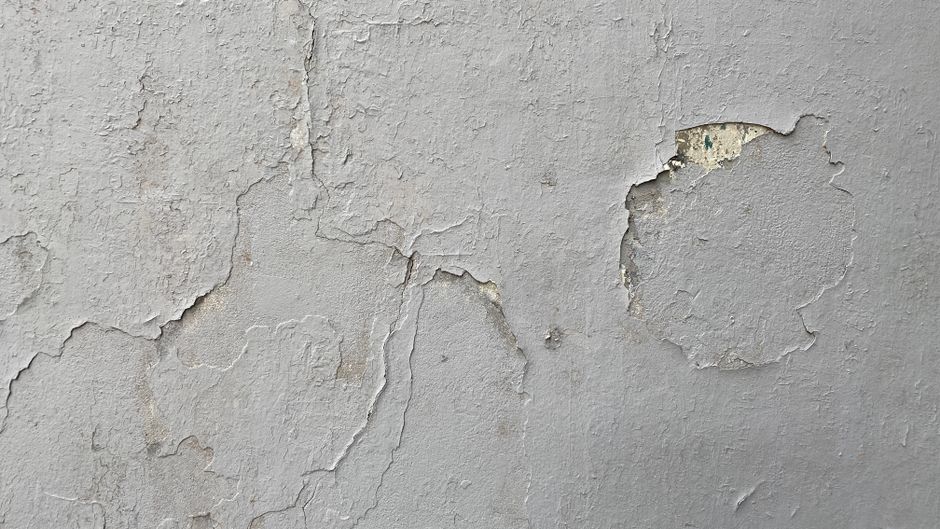
Two repair proposals that read alike on paper can describe jobs that differ by two coats of compound and a day of sanding, a gap that drywall contractor riverside raahi sets out for homeowners comparing drywall work in Riverside, CA.
Scope in plain terms
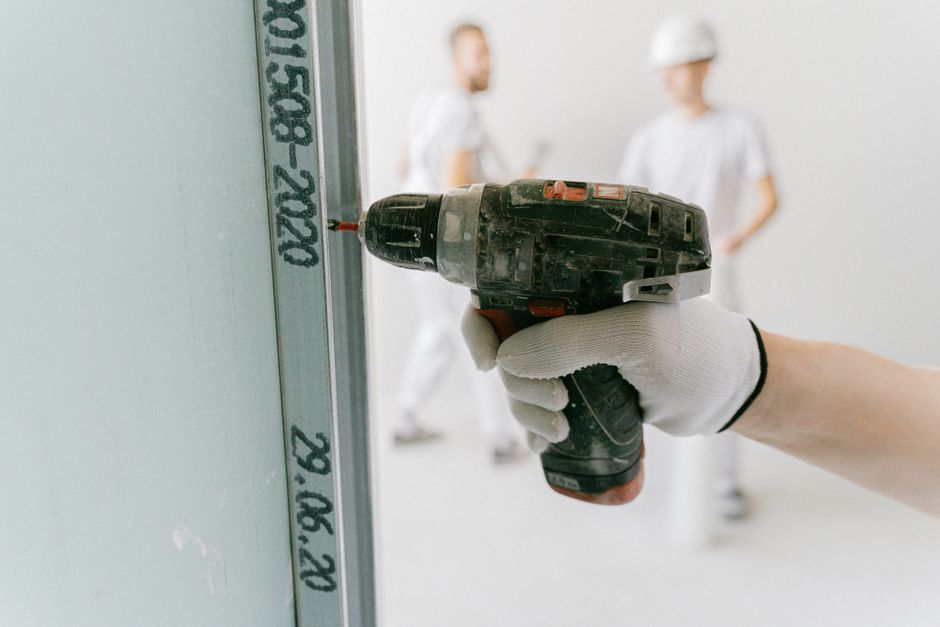
A good walkthrough ends with a list of what will be touched: how many patches, whether any board is replaced, whether texture is matched, and whether primer is included. A vague line such as "fix drywall" leaves each of those open. The list should name each room and each damaged spot, so both sides can check it again at the end.
Finish levels
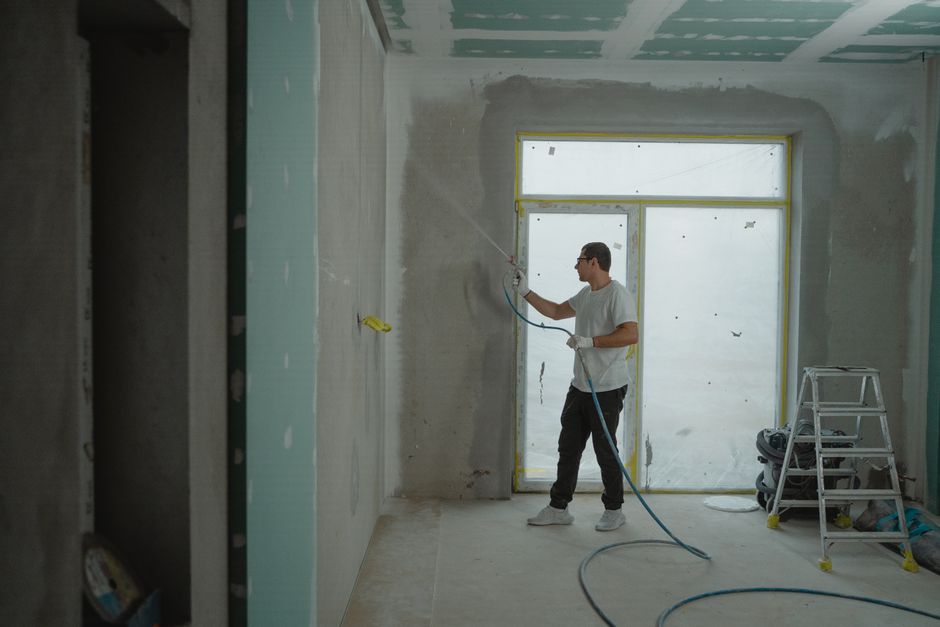
The trade uses numbered finish levels. A garage wall may be left at a lower level, since nobody studies it under raking light, while a living room wall with a window beside it needs a smooth level with full coats and a skim. Asking which level is planned for each room avoids a surprise when the paint goes on and every ridge shows.
Dust control
Sanding compound makes a fine white powder that travels through a house. Plastic sheeting over doorways, a vacuum attached to the sander and a sealed return air vent keep it contained. A contractor who has no answer about dust has probably not worked in an occupied home for long. Floors and furniture should be covered before the first bucket opens.
Corners and edges
Outside corners take the most abuse. A damaged corner bead is cut out and replaced, since packing mud over a bent bead lets it crack again within a year. Inside corners are taped and flexed with a corner knife. The condition of the corners in an older home near the University of California Riverside area, or any older neighborhood, usually shows how past repairs were done.
Timing and drying
A small repair takes more than one visit because the compound needs time between coats. A contractor who promises a patch finished, sanded and primed in a single hour is skipping drying. Ask how many visits to expect and what the sequence is. A clear answer is a good sign.
Reading the finished work
Stand at the far end of the room with a bright lamp held flat against the wall. Patches that disappear from there will disappear in daylight. Check the corners, the screw heads and the edge where new texture meets old. Primer should be on every patch before the job is called complete, and any ridge or flash gets sanded and recoated.